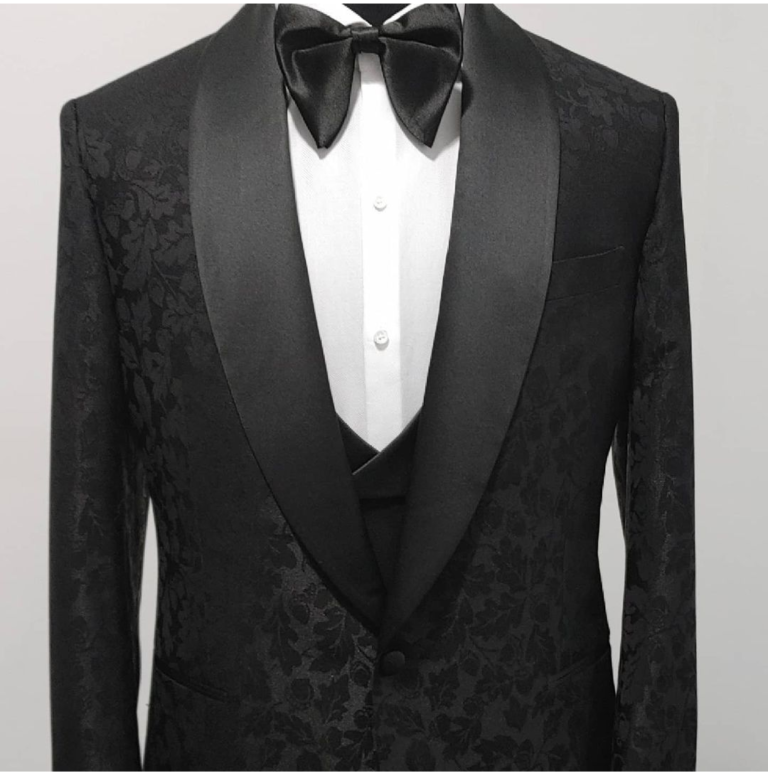
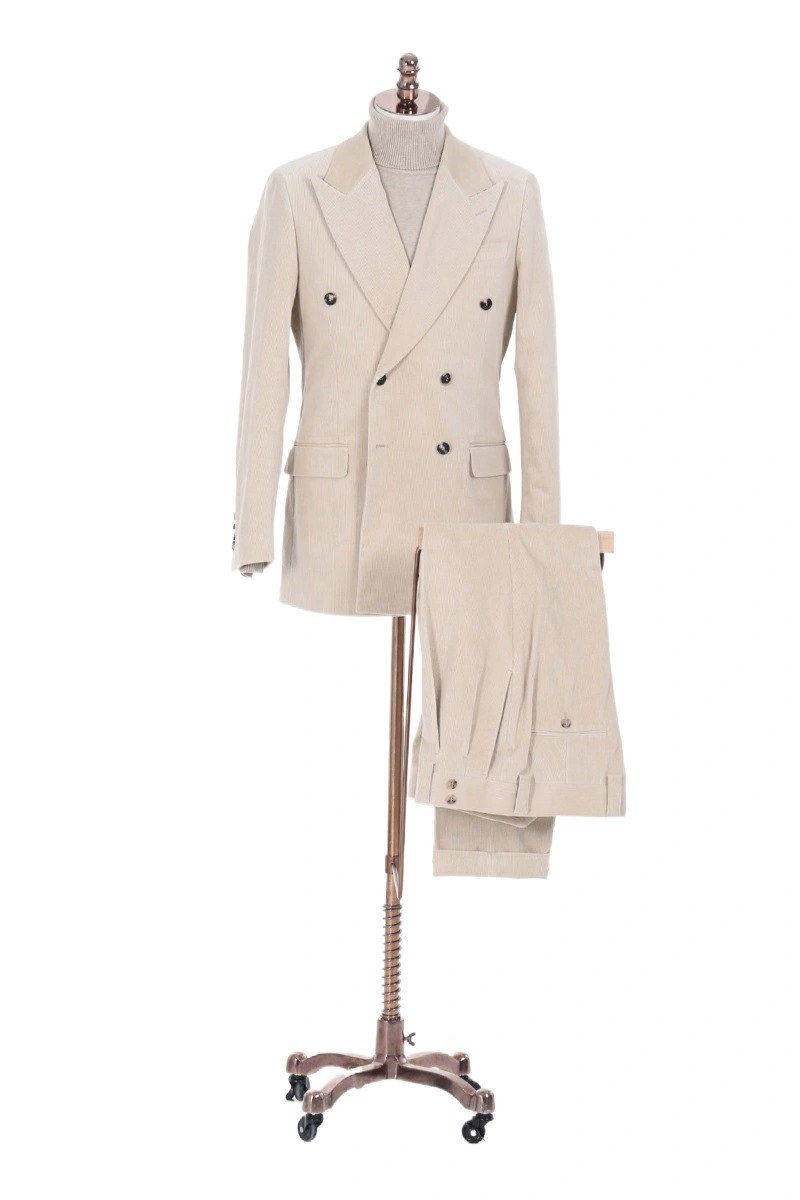
Why Are Custom Suits More Expensive Than Off-the-Rack?
If you’ve ever compared the price of a custom suit to one off the rack, the gap can be startling. But that difference isn’t a markup for the label — it reflects real distinctions in materials, construction, and labour. Custom suits cost more than off-the-rack suits because they use higher-grade fabric, are built with canvassed (not glued) construction, require many hours of skilled hand labour, and are cut from a pattern made for your body alone — none of which benefit from the mass-production savings that keep rack suits cheap.
At Executive Customs, we field this question constantly, so here’s an honest, itemized breakdown of where the money goes — and, just as importantly, when the extra cost is worth it and when it isn’t.
Quick answer: A custom suit is more expensive because you’re paying for better cloth, longer-lasting canvas construction, hours of individual craftsmanship, a personal pattern and fittings, and full customization. An off-the-rack suit is cheaper because it’s mass-produced in fixed sizes with fused construction and no personalization. The custom suit’s lower cost-per-wear often closes the gap over time.
The 8 Reasons Custom Suits Cost More
1. Higher-grade fabric
Custom suits typically start with better cloth from reputable mills. Off-the-rack suits often use lower-cost blends or entry-grade wool to hit a price point, while custom houses work with named mills and finer weaves. Better cloth drapes properly, resists wrinkles, holds a press, and lasts years longer — and quality wool simply costs more per metre.
2. Canvassed construction instead of fusing
Most affordable rack suits are “fused” — the inner canvas is glued to the fabric — while custom suits are canvassed. A canvassed jacket stitches a floating inner layer through the chest and lapels (half-canvas) or the whole jacket (full-canvas), so it moulds to your body over time and never bubbles. That canvas material and the stitching to attach it add real cost, but it’s the single biggest driver of how a suit looks and lasts.
3. Hours of skilled hand labour
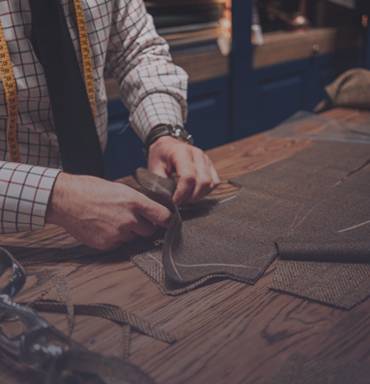
A custom suit can take many hours of a trained tailor’s time; a rack suit is optimized to be sewn as fast as possible. Hand-finished buttonholes, pad-stitched lapels, and set-in sleeves take skill that takes years to develop. You’re paying for craftsmanship — trained human hours — not an assembly line.
4. A pattern made only for you
Off-the-rack suits use a handful of standard sizes; custom suits are built from your measurements. Made-to-measure adjusts a base pattern to your body, and bespoke drafts one from scratch. Creating and cutting an individual pattern can’t be spread across thousands of identical units, so the per-suit cost is inevitably higher.
5. Fittings and personal consultation
Custom pricing includes a tailor’s time — measuring, advising, and adjusting across one or more fittings. That consultation is a service, not just a product. A rack suit has no such labour baked in; if it doesn’t fit, alterations are an extra cost you pay separately later.
6. No mass-production economies of scale
Rack suits are cheap largely because they’re made in huge volumes. Bulk fabric buying, standardized cutting, and high-speed factory lines drive the unit cost down. A custom suit is effectively a batch of one, so it never captures those savings — which is the core economic reason for the price gap.
7. Full customization
Every choice you make — lapel, lining, buttons, vents, working cuffs, monogram — adds specification and often cost. Off-the-rack gives you whatever the factory decided. Custom lets you control the details, and that flexibility carries a premium in both materials and labour.
8. Alterations and aftercare often included
Many custom houses build minor alterations and adjustments into the price; rack suits almost never do. With off-the-rack, the sticker price is rarely the final price once you factor in tailoring to make it fit. Custom pricing tends to be more all-in.
Where the Money Actually Goes
While exact proportions vary by house and price tier, a custom suit’s cost generally breaks down across these areas:
| Cost component | What it covers | Why it’s higher than off-the-rack |
|---|---|---|
| Fabric | The cloth itself, from a named mill | Finer, more durable wool costs more per metre |
| Construction | Canvassing, internal structure | Canvassed beats glued — more material and stitching |
| Labour | Skilled cutting, sewing, hand-finishing | Trained human hours vs. high-speed factory lines |
| Pattern & fit | Your individual pattern and measurements | Can’t be spread across thousands of units |
| Service | Consultation, fittings, adjustments | A tailor’s time is included, not sold separately |
| Customization | Linings, buttons, monograms, details | Optional specifications add material and labour |
Custom vs Off-the-Rack: What You’re Really Paying For
| Factor | Off-the-Rack | Custom (Made-to-Measure / Bespoke) |
|---|---|---|
| Fit | Standard sizes; needs separate alterations | Built to your measurements |
| Construction | Usually fused (glued) | Canvassed (half or full) |
| Fabric | Often entry-grade or blends | Named-mill, higher-grade cloth |
| Labour | High-speed factory | Skilled, partly hand-finished |
| Customization | None | Lapels, lining, buttons, vents, and more |
| Included fittings | 0 | Usually 1–2+ |
| Upfront price | Lower | Higher |
| Cost per wear over time | Often higher (shorter lifespan) | Often lower (lasts longer) |
The takeaway: the higher sticker price of a custom suit buys durability, fit, and materials that a mass-produced suit can’t match at its price point.
Are Custom Suits Worth the Extra Cost?
A custom suit is usually worth the premium if you’ll wear it regularly, value the fit, or are hard to fit off the rack — but off-the-rack is perfectly sensible for occasional or one-off needs. Here’s an honest way to decide.
Custom tends to be worth it when:
- You’ll wear the suit frequently (work, client meetings, events), so the higher price spreads across many wears — a lower cost per wear.
- Your build is hard to fit off the rack (very tall, short, athletic, or between standard sizes), where rack suits never quite work.
- Fit and how you feel in the suit genuinely matter to you.
- You want a suit that lasts many years rather than one or two seasons.
Off-the-rack can be the smarter choice when:
- You need a suit once or very rarely and won’t wear it enough to justify the cost.
- Your budget is tight right now and a well-altered rack suit will do the job.
- You have a standard build that most rack suits fit well with minor tailoring.
The cost-per-wear lens: A £/$ figure spread over 5+ years of regular wear frequently makes a custom suit cheaper per wear than a rack suit that wears out, fits poorly, or gets worn twice and forgotten. Price and value aren’t the same thing.
Frequently Asked Questions
Why is a custom suit so much more expensive than a store suit?
Because it uses higher-grade fabric, canvassed construction instead of glue, many hours of skilled hand labour, and a pattern cut for your body alone — none of which benefit from the mass-production savings that make store suits cheap. You’re paying for materials, craftsmanship, and personal fit.
Is a custom suit actually better quality, or just more personalized?
Both. Custom suits are typically better made (canvassed construction, better cloth, hand-finishing) and better fitted (built to your measurements). The quality difference is real, not just a matter of personalization.
Does “expensive” mean bespoke, or does made-to-measure cost less?
Made-to-measure costs less than full bespoke. Made-to-measure adjusts a base pattern to your measurements; bespoke drafts a pattern from scratch with more fittings and hand-work, which raises both labour and price. Made-to-measure is the more affordable entry into custom
Will a custom suit save me money in the long run?
It can. A well-made custom suit that lasts many years and gets worn regularly often has a lower cost-per-wear than a cheaper suit that wears out quickly or fits poorly. The upfront price is higher, but the value over time can be better.
What makes off-the-rack suits cheaper?
Mass production. They’re made in large volumes with bulk fabric, standardized cutting, high-speed factory lines, and usually fused construction — all of which drive the unit cost down. The trade-offs are fit, materials, and longevity.
Is the price difference just the brand name?
No. The gap reflects tangible differences in fabric grade, construction method, labour hours, and individual fitting. A reputable custom suit’s price is driven by what goes into it, not by a logo.
The Bottom Line
Custom suits cost more because more genuinely goes into them — better cloth, structural canvassing, skilled hands, and a fit made for you. Whether that premium is worth it comes down to how often you’ll wear it, how hard you are to fit, and how much the result matters to you.
At Executive Customs, we’re happy to walk you through exactly what drives the price of your suit so you can decide with clear eyes. Book a consultation or browse our fabrics to see the difference for yourself.