How to Choose Suit Fabric by Season
Quick answer: The right suit fabric comes down to three things weight, weave, and color matched to the season. For summer, choose lightweight, breathable cloth (roughly 7–9 oz / 190–260 GSM) in open weaves like fresco, hopsack, or linen, in light colors. For winter, go heavier (11–14 oz / 310–400 GSM) in flannel, tweed, or dense worsted, in dark, rich tones. Spring and fall call for mid-weight worsted around 9.5–11 oz (270–310 GSM) that carries you through transitional weather. A single all-season worsted at about 10–11 oz is the most versatile place to start if you’re building a wardrobe.
Most men choose a suit by color and fit alone, then spend July sweating through meetings or December shivering on the commute. The fabric — not the cut — is what decides whether a suit is comfortable in the season you actually wear it. Here in the New York area, where we get four genuine seasons, that matters more than in a mild climate. This guide breaks down the three variables that make a fabric right for a season, so your next suit works with the weather instead of against it.
The Three Things That Define a Suit Fabric
Before you look at a single swatch, understand the three questions that answer almost everything about a cloth:
- Fiber — the raw material (wool, linen, cotton, silk, or a blend). Wool is the backbone of nearly every quality suit because it breathes, insulates, and drapes beautifully.
- Weave — how the yarns are constructed (plain weave, twill, hopsack, herringbone, flannel, fresco). The weave does half the work of deciding how warm and how breathable a cloth is.
- Weight — how much fiber is packed into the cloth, measured in ounces per yard (oz) or grams per square meter (GSM). This is the single most useful number for matching a suit to a season.
Here’s the key insight most people miss: the same wool becomes a cool summer fresco or a warm winter flannel depending on its weave and weight. So never judge a cloth by fiber alone. Let’s take each variable in turn.
Weight: The Most Important Number
Weight is your fastest shortcut to seasonal suitability. Mills vary slightly on the exact boundaries, so treat these as a ladder rather than hard lines:
| Weight (oz) | Weight (GSM) | Best for |
|---|---|---|
| 7–9 oz | ~190–260 GSM | Summer — light and breathable |
| 9.5–11 oz | ~270–310 GSM | All-season / spring & fall |
| 11–14 oz | ~310–400 GSM | Winter — warm and structured |
| 14 oz+ | ~400 GSM+ | Deep winter, sport coats, and overcoats |
Beyond comfort, weight changes how a suit looks. A heavier cloth (11 oz and up) hangs with real presence, pulls straight from the shoulder, and resists wrinkles through sheer mass — which is why winter suits look so crisp. A lighter summer cloth moves more and creases more easily, which is the trade-off for staying cool. This is exactly the kind of guidance we walk clients through when creating a piece of custom suiting.
A quick word on “Super” numbers. You’ll see cloth labeled Super 100s, 120s, 150s and so on. This measures fiber fineness, not quality or durability. Finer cloth (higher Super number) feels softer and more luxurious, but past Super 130s it becomes delicate. For a suit in regular rotation, Super 100s to 130s is the sweet spot — luxurious without being fragile.
Weave: How the Cloth Is Built
Two suits of identical weight can perform completely differently depending on the weave. Worsted wool is combed into a smooth, crisp, resilient finish — the classic business-suit look that spans seasons. Woolen cloth is carded into a softer, fuzzier finish that traps air, which is why you’ll almost only find it in winter flannel and tweed.
The weaves worth knowing:
- Fresco / high-twist tropical — open, airy weave that lets air pass through. The summer hero: wool that looks sharp in 90-degree heat, and it resists wrinkles, making it excellent for travel.
- Hopsack — a basket-like open weave, breathable and casual-leaning, great for spring and summer sport coats.
- Plain weave & twill — the all-rounders. Twill gives superior drape in heavier weights; plain weave holds its shape well in lighter ones.
- Herringbone & sharkskin — subtle textured patterns that add depth to fall and winter suits without looking loud.
- Flannel — a brushed, matte woolen finish that traps warmth and drapes softly. The signature winter cloth.
- Tweed — rugged, thick, and rich in texture, built for genuine cold.
- Linen & seersucker — firmly warm-weather; linen for social summer events, seersucker’s puckered surface lifts the cloth off your skin for natural ventilation.
Color: Reading the Season
Color follows the light and mood of the season, and it’s the fastest way to make a suit feel appropriate:
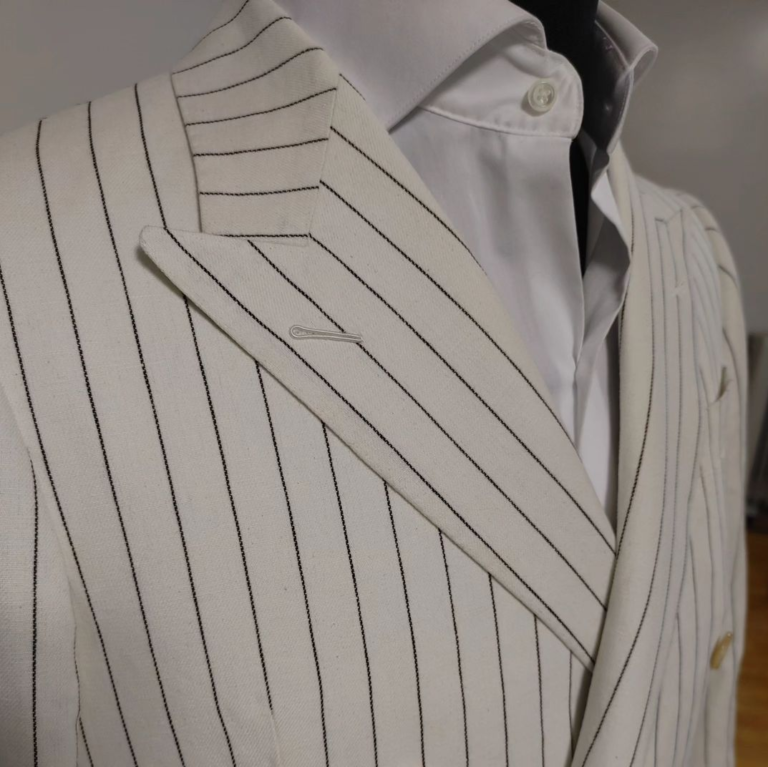
- Summer: light and cool — tan, stone, light gray, pale blue, and cream. These reflect heat and suit the brighter light.
- Spring & fall: mid-tones — mid-gray, softer blues, olive, and muted earth tones that bridge the seasons.
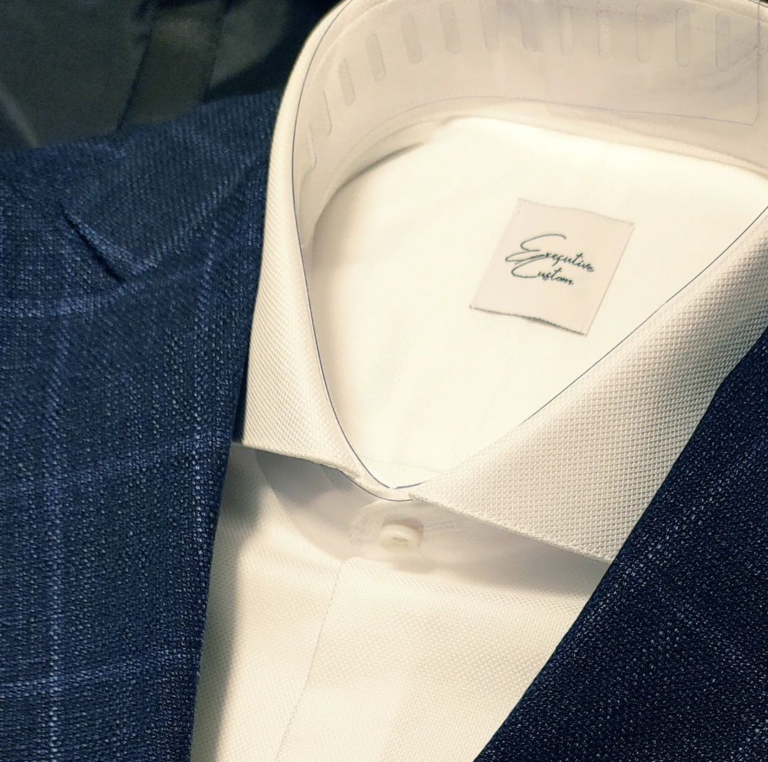
- Winter: dark and rich — charcoal, navy, deep brown, forest green, and burgundy, often with texture (herringbone, windowpane) that reads beautifully in low winter light.
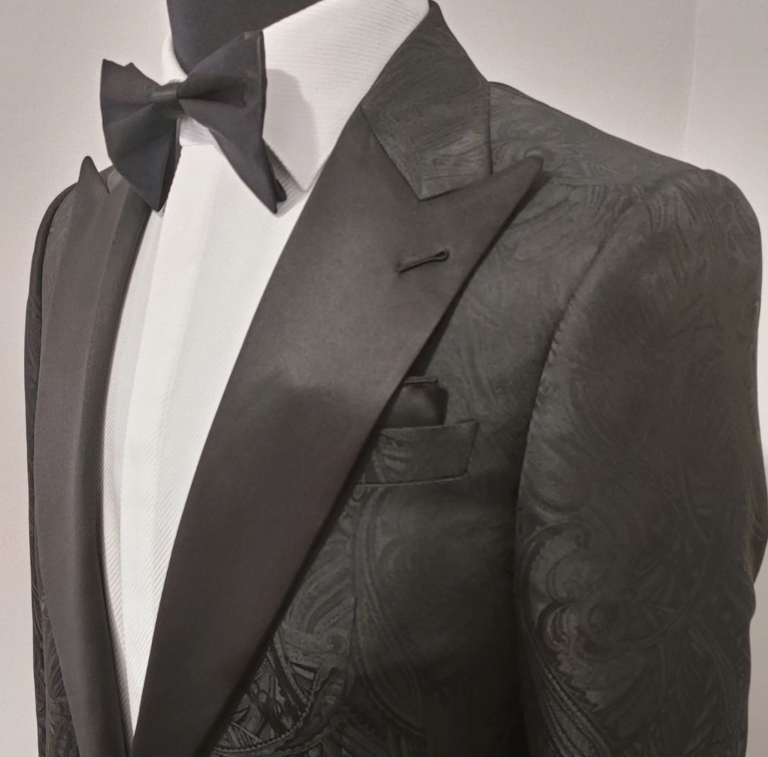
For a formal winter event, deeper tones with a subtle sheen or texture look far more seasonal than a flat summer-weight cloth — a principle that applies just as much to a custom tuxedo as to a business suit.
Season-by-Season Cheat Sheet
Summer (warm, humid New York months): 7–9 oz fresco, tropical wool, hopsack, linen, or cotton. Open weaves, light colors. Prioritize breathability over structure.
Spring & Fall (transitional): 9.5–11 oz worsted in plain weave or twill, hopsack sport coats, lightweight flannels toward late fall. Mid-tones. This is the most versatile range.
Winter (cold Northeast weather): 11–14 oz flannel, tweed, dense worsted, or wool-cashmere blends. Dark, textured cloth. Warmth without bulk, so you can layer under an overcoat.
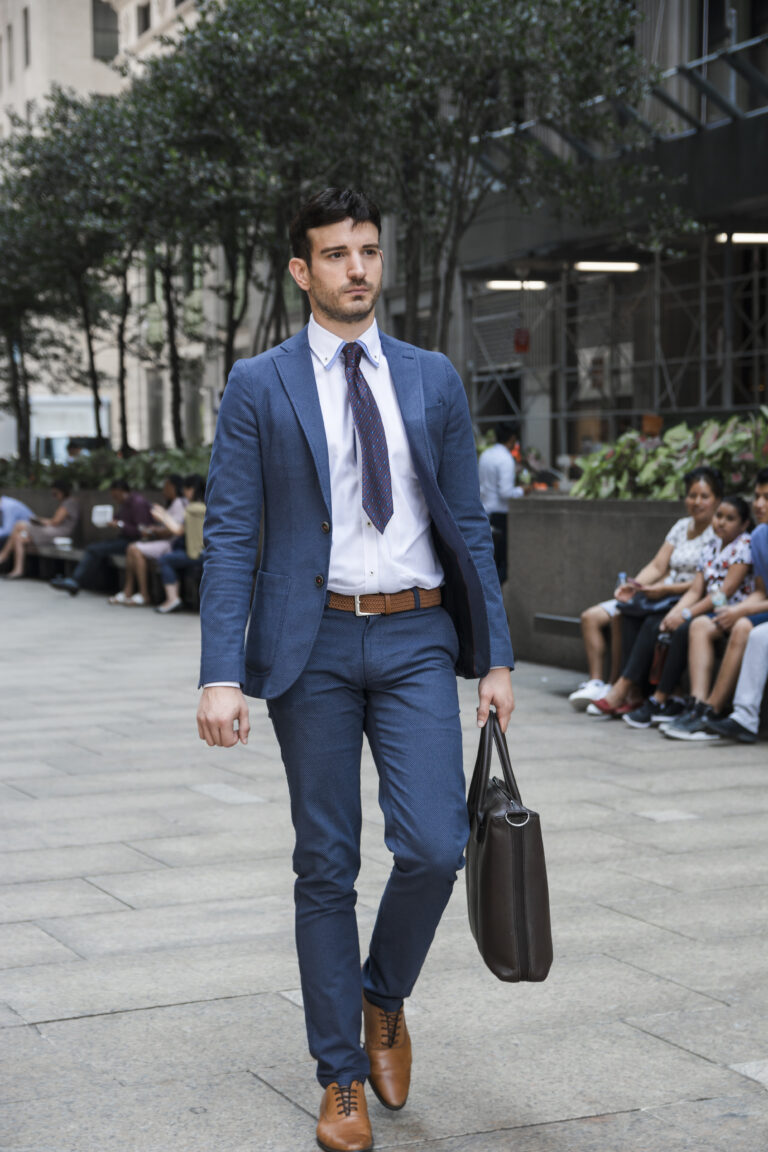
Building your first wardrobe? Start with an all-season worsted around 10–11 oz in navy or charcoal — it handles roughly ten months of the year in our climate — then add a lighter summer suit and a winter flannel as your rotation grows. A custom sport jacket in hopsack or tweed is a smart way to extend the range for less formal occasions.
Let the Fabric Do the Work
A suit that matches its season feels effortless — cool when it’s hot, warm when it’s cold, and always right for the room. The wrong weight, however luxurious the cloth, turns an expensive suit into one you never reach for. At Executive Custom, we bring the fabric library to you, including house cloths and world-famous Italian mills like Loro Piana and Zegna, so you can feel the weight and weave in your hands before you commit — with expert guidance on what suits both the season and the occasion.
Ready to choose the right cloth for the season ahead? Book an at-your-door consultation or call 516-224-3077, and we’ll help you build a wardrobe that works all year.
Frequently Asked Questions
What suit fabric weight is best for summer?
For summer, choose lightweight cloth around 7–9 oz (roughly 190–260 GSM). Fresco, tropical wool, hopsack, and linen in open weaves let air pass through and keep you cool while still looking polished.
What is the best suit fabric for winter?
Winter suits work best in the 11–14 oz range (about 310–400 GSM). Flannel, tweed, dense worsted, and wool-cashmere blends provide warmth and structure, and their darker, textured finishes look seasonally right.
What does “all-season” suit fabric mean?
An all-season fabric is a mid-weight worsted wool, typically around 10–11 oz (280–310 GSM) in a twill or plain weave. It’s breathable enough for mild weather and warm enough for cool days, making it the most versatile choice for year-round wear.
Do higher “Super” numbers mean a better suit?
Not exactly. Super numbers measure how fine the wool fibers are, not durability or quality. Finer cloth feels more luxurious but becomes delicate above Super 130s. For a suit worn regularly, Super 100s to 130s offers the best balance.
Is weave or weight more important for choosing a seasonal suit?
Both matter, and they work together. Weight is the quickest guide to warmth, but weave changes how a cloth breathes and drapes at that weight — an open fresco weave feels far cooler than a dense worsted of the same weight. Consider them as a pair.
What color suit should I wear in each season?
Lighter colors like tan, stone, and light gray suit summer; mid-tones like mid-gray and olive suit spring and fall; and darker, richer tones like charcoal, navy, and burgundy suit winter, especially with subtle texture.