What Should I Wear to My First Custom Suit Fitting?
Wear a well-fitted dress shirt, the exact style of dress shoes you plan to pair with the suit, properly fitted underwear, thin dress socks, and your everyday watch. Avoid bulky clothing, athletic wear, and anything that distorts your natural posture or measurements. What you wear directly affects how accurately your tailor can measure you, which determines how perfectly your finished suit will fit.
Why What You Wear to a Fitting Actually Matters
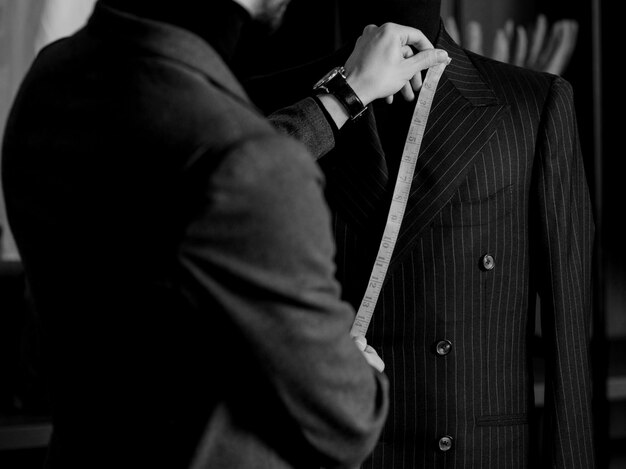
Your first custom suit fitting is the foundation of a garment you’ll wear for years, possibly decades. Every measurement your tailor takes, chest, shoulder, sleeve, waist, seat, and inseam, is captured while you’re wearing whatever you walked in with. Bulky hoodies add a false half-inch across the shoulders. Compression shirts shave length off the torso. Bulky cargo shorts make hip measurements meaningless.
The clothing you wear to a fitting becomes part of the measurement. If you want the suit to fit you, you need to show up dressed in a way that lets the tailor see you.
At Executive Custom, our master tailors have completed thousands of first fittings, and the clients who walk out happiest are almost always the ones who arrived prepared.
What to Wear: The Essential Checklist
A Well-Fitted Dress Shirt
Wear a dress shirt that fits you correctly ideally the same style of collar you intend to wear with the finished suit. A button-down Oxford gives a different shoulder reading than a spread-collar poplin because the fabric weight and structure differ.
If you own a shirt you love wearing tucked in, wear that. If your shirts are all too big or too small, this is a signal you may want to discuss shirt tailoring at the same appointment.
The Exact Shoes You’ll Wear With the Suit
This is the single most overlooked detail. Trouser length is measured from your natural waist or seat down to the top of your shoe. A dress oxford with a 1-inch heel produces a completely different break than a loafer with a 0.5-inch heel or a Chelsea boot with a 1.25-inch heel.
Bring the actual shoes. If you own multiple pairs you plan to wear with this suit, mention this your tailor may recommend a slightly longer break or a half-break compromise.
Properly Fitting Underwear
Boxers, briefs, or trunks all affect the drape of trousers in the seat and thigh. Wear what you wear every day not your loosest pair, not a brand new pair you’ve never tested. Consistency matters more than category.
Thin Dress Socks
Athletic socks add bulk at the ankle and affect how trouser break sits on the shoe. Wear thin, over-the-calf dress socks in a dark color.
Your Everyday Watch
If you wear a watch daily, wear it to the fitting. Sleeve length is measured to clear the watch comfortably, and a tailor who measures a bare wrist may finish the sleeve a quarter-inch too short for your real life.
A Belt You Own and Wear
Trouser waistbands are designed to sit with or without a belt depending on construction. Wearing your normal belt helps your tailor understand where your trousers naturally sit on your body.
What to Avoid
Athletic wear and gym clothes. Compression shirts, joggers, and athletic shorts hide your true proportions. Tailors need to see your shoulder slope and natural posture.
Bulky sweaters and hoodies. A heavy knit layered under a measuring tape will add 1–2 inches to your chest and shoulder measurements. Your suit will then be cut to fit a person who is wearing a hoodie under it.
Cargo shorts or baggy pants. These obscure the hip, seat, and thigh. Wear fitted chinos or trousers if you arrive in pants rather than the dress shirt setup above.
Statement jewelry or stacked bracelets. Sleeve openings are measured to accommodate a normal cuff and watch. Layered bracelets create false readings.
A heavy meal right before the appointment. This sounds minor, but waist measurements taken on a heavily bloated stomach won’t match the rest of your week. Eat normally.
Brand new shoes you’ve never broken in. New shoes affect your posture and gait. Wear shoes you’ve worn for at least a few weeks.
What to Bring
- Reference photos of suit styles, lapel widths, or fits you admire
- Inspiration garments you already own and love a jacket that fits you well is more useful than a Pinterest board
- Honest answers about how and where you’ll wear the suit: boardroom, wedding, travel, daily commute
- Time. A proper first fitting at Executive Custom takes 60–90 minutes. Don’t schedule a meeting immediately after.
Frequently Asked Questions
Should I shave or get a haircut before my fitting?
A fresh haircut helps the tailor see your collar line and neck length clearly, which affects collar height and shoulder construction on the jacket. It’s not required, but it helps.
What if I plan to lose or gain weight?
Tell your tailor honestly. Executive custom bespoke tailor can build a suit with seam allowance for future alterations, but only if they know to plan for it. Don’t try to be measured at your “goal weight” be measured at your current, actual size.
Can I wear a T-shirt to my fitting?
A fitted T-shirt is acceptable if a dress shirt isn’t available, but a dress shirt is strongly preferred. T-shirt fabric stretches and compresses differently than woven shirt fabric, which slightly affects chest and shoulder readings.
How long does the first fitting take?
At Executive Custom, plan for 60–90 minutes. This includes consultation on fabric, lining, lapel style, button stance, vents, pockets, monogramming, and full measurement.
Do I need to bring my own measurements?
No. In fact, please don’t rely on measurements taken elsewhere. Executive Custom Tailor measures slightly differently and uses those measurements within their own construction system. Your Executive Custom measurements will be taken from scratch.
What if I’m between sizes or have an unusual build?
That’s precisely why you’re getting a custom suit. Asymmetrical shoulders, longer arms, shorter torso, athletic legs, broader seat these are the exact conditions custom tailoring is designed to address. Come as you are.
Should I wear cologne?
Light cologne is fine. Avoid heavy fragrance your tailor will be working closely, and so will every client they see that day.
Dress for your fitting the way you’d dress for the suit itself. Wear what supports an honest measurement: a fitted dress shirt, the actual shoes you’ll pair with the suit, thin dress socks, normal underwear, your daily watch, and a belt you wear regularly. Skip the gym clothes, the bulky layers, and the brand-new shoes.
A first fitting is a partnership between you and your tailor. The more accurately we can see and measure you, the more perfectly the finished suit will fit. Show up prepared, and the rest is craft.
Executive Custom is a master tailoring house specializing in fully bespoke and made-to-measure suits, shirts, and formalwear. To book your first fitting or speak with a master tailor, visit our studio or schedule a consultation.